Wings Font: A Timeless Script for Creative Makers
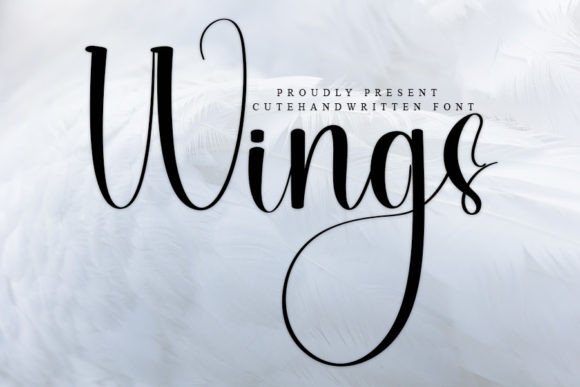
I recently picked up the Wings font, and it’s quickly become one of my go-to typefaces for a variety of handmade and digital projects. As someone who designs everything from candle labels to printable wall art, I’m always on the lookout for a script handwritten font that brings both elegance and personality to the table. Wings fits the bill in every way — it has a warm, organic feel with just the right amount of structure to make it versatile across mediums.
Wings for Candle Labels and Product Packaging
One of the first things I tried was using Wings on candle labels for a new line I'm developing. The font's timeless style gave each label a soft yet sophisticated look, which really elevated the overall aesthetic of the product. It paired beautifully with minimalist backgrounds and subtle textures, making it perfect for boutique-style packaging.
What stood out most was how readable the script is even at smaller sizes. I’ve used other handwritten fonts before that looked great but were hard to cut or print clearly. Wings handled small stickers and die-cut labels like a dream, especially when I adjusted the spacing and letter height slightly in design software. If you're working with Cricut or Silhouette, this font will make your life easier while still keeping your branding feeling personal and authentic.
Using Wings for Wedding Invitations and Greeting Cards
Next, I tested Wings on a set of wedding invitations. The goal was to create something romantic and handcrafted without being too ornate. I found that Wings had just enough character to convey emotion while staying clean and professional. Its elegant touch made it ideal for names, titles, and calligraphy-style accents on the suite.
For greeting cards, I layered Wings over watercolor illustrations and vintage photos. The contrast between the soft imagery and the bold strokes of the Script Handwritten typeface brought a sense of harmony to the design. Customers often mention that the fonts they use should reflect their brand voice, and with Wings, there’s an undeniable warmth and charm that feels inviting and sincere.
Wings in Planner Pages and Digital Download Templates
I also wanted to see how Wings would work within more text-heavy materials, like planner pages and digital download templates. While it shines as a display font, I learned it's best reserved for short phrases, headings, and decorative elements rather than long paragraphs. That said, its unique flair made headlines pop and added a creative edge to weekly calendars and habit trackers.
As a designer who sells digital downloads, I appreciate how Wings looks crisp in preview images. It helps customers visualize the final product and builds trust in the quality of the Fonts I offer. I recommend using it sparingly for maximum impact, maybe for a name field or title bar where it can truly stand out.
Creating Farmhouse Signs and Seasonal Decor with Wings
Farmhouse signs are a staple in my shop, and I was eager to try Wings on a few mockups. The result? A fresh, modern twist on a classic style. Unlike some overly stylized Script Handwritten fonts that feel out of place next to rustic wood textures, Wings blends seamlessly, offering a balance between elegance and approachability.
I also experimented with holiday tags and seasonal prints. Whether it was a Christmas ornament tag or a Halloween-themed SVG for a sticker sheet, the Wings font added a special something — like a whisper of nostalgia with a hint of modernity. This kind of emotional appeal is exactly what makes a product memorable, and it's something I look for in every Font I incorporate into my designs.
Font Pairing Suggestions for Maximum Visual Impact
To give you a head start, here are a few font pairing ideas that worked well with Wings:
- Minimalist sans serif: Great for body text on invitations or packaging descriptions. Keeps the focus on the elegant Script Handwritten headline.
- Simple serif: Adds a classic feel to editorial layouts or blog headers. Pairs nicely with Wings for a balanced visual hierarchy.
- Bold display font: Use it for subheadings or accents if you want to add contrast without losing the charm of Wings.
When choosing a companion Font, I suggest picking something that doesn’t compete with Wings’ natural flow. Let it be the star of the show and support it with subtler styles.
Practical Tips for Using Wings in Real Projects
Here are some tips I picked up while working with Wings in real-life scenarios:
- Check file formats: Make sure you’re getting the right format for your project — OTF, TTF, or WOFF for web use.
- Test on small surfaces: Especially important for Cricut or Silhouette users. I printed a sample on a tiny tag and found it still looked beautiful, just needed a bit more tracking.
- Use ligatures and alternates: These little details can make all the difference in how polished your final design feels.
- Confirm commercial licensing: If you plan to sell products featuring Wings, double-check the license to ensure it covers your intended use — whether it's physical goods, digital printables, or SVG-style cuts.
When Not to Use Wings
While Wings is incredibly versatile, it’s not a one-size-fits-all solution. Avoid using it in situations that require high readability at very small sizes, such as technical instructions or dense informational labels. It’s a handwritten font designed for beauty and brand expression, not for legibility in tiny text or formal documents.
Final Project Mockup Test: Boutique Packaging and Tote Bag Designs
In my latest test, I applied Wings to boutique-style packaging for a small batch of artisan soaps. The font transformed the look from generic to gifting-ready. I paired it with a muted background and gold foil accents, and the results felt like something you’d find in a high-end boutique.
For tote bags, I used Wings to spell out a simple message like “Handmade with Love” and “Local Artisan.” The curves and delicate lines of the Script Handwritten style gave the message a heartfelt tone that resonated with my audience. Even in a crowded market, the uniqueness of Wings helped these designs stand out.
Wings for Brand Identity and Shop Listings
If you're building a brand identity around a lifestyle or wellness theme, Wings could be the perfect fit. I noticed that using it consistently across product tags, social media graphics, and shop listings created a cohesive and recognizable visual language. That’s key for customer retention and brand loyalty — people start to associate the look of your products with your name and values.
It also works wonders for web design and social media content. When I updated my website header to include Wings, the feedback was immediate and positive. My shop felt more curated and intentional, which is exactly what we aim for in handmade businesses.
Design Assets and Multilingual Support
Another thing worth noting is the attention to detail in the design assets included with Wings. From alternate characters to swash variations, there’s a lot to play with to keep your designs feeling fresh. Plus, if you work with international clients or sell globally, check that multilingual support is included — it can save you from last-minute formatting headaches.
Why I Recommend Wings for Creative Makers
After testing Wings on several different types of products and shop materials, I’m confident it’s a valuable addition to any maker’s toolkit. It’s not just another pretty Font — it’s a premium font that understands the needs of real-world production while maintaining its artistic soul.
Whether you're designing a custom mug for a gift shop or crafting a set of birthday cards for resale, Wings adds that extra layer of charm and professionalism. It’s the kind of Script Handwritten font that feels like it was written just for you — by hand, with heart.
If you're looking for a Font that brings warmth, elegance, and a timeless touch to your handmade creations, Wings is definitely worth exploring. Just remember to let it shine where it matters most and pair it thoughtfully with supporting styles for the best results.